
Betalinger og uttak i praksis – Spinzen
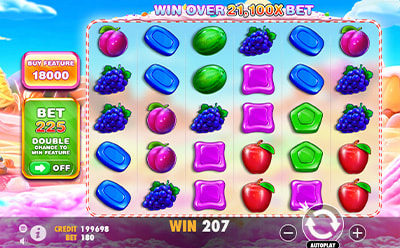
Trying a slot in demo mode can answer practical questions before you share personal details with an operator. The sweet bonanza game uses virtual credits in its available free-play version, allowing you to inspect the layout, symbol rules and tumble mechanic without treating a test session as real-money gambling. The important distinction is that demo access belongs to the website hosting the game, not to the game itself. That difference affects registration, verification, account security and what you can reasonably learn from a short session.
What “without registration” really means
A demo version normally lets you open the slot and spin with virtual credits without creating a casino account. No deposit is involved, and the balance shown on screen is not cash that can be withdrawn. This makes the format useful for learning the controls, checking whether the presentation works well on your device and understanding how wins are formed.
Access is not guaranteed on every website. The casino or gaming platform decides whether visitors can use a free-demo mode, whether the mode is available in a particular location and whether a sign-in prompt appears before the game loads. A website may also limit demo access for technical, commercial or jurisdictional reasons. If the game asks for registration, that is an operator requirement rather than a separate registration process created by the slot.
Demo play should therefore be treated as a viewing and practice option, not as a trial account with hidden cash value. Virtual credits cannot be converted into winnings, and results from a short session do not establish what will happen during paid play. Before entering personal information, check who operates the website, what information it requests and whether its privacy and account terms are easy to find.
Use the demo to learn the mechanics, not predict results
The original format uses a six-by-five grid and pays when at least eight matching symbols appear anywhere on the screen. It does not use conventional fixed paylines. After a winning combination, the symbols involved disappear, the remaining symbols fall and new ones arrive from above. This Tumble process can create several wins during one paid spin or one demo spin.
The information screen is worth opening before you begin. It explains the fruit and candy symbols, the Scatter symbol and the number of matching symbols needed for each qualifying combination. Four or more lollipop Scatters can trigger the Free Spins feature in the documented version. The feature begins with 10 spins, while three or more additional Scatters can add five more.
Demo play can also show how multiplier bombs work during Free Spins. Bomb values may range from 2x to 100x, and values appearing in the same tumble sequence are added before the resulting multiplier is applied to that sequence’s win. These rules explain the visual action, but they do not make a short demo session a reliable test of return, volatility or future outcomes.
Check which version and settings are actually loaded

Game titles with similar names should not be assumed to share identical rules. The original slot is distinct from later releases such as Sweet Bonanza 1000, Super Scatter, 2500, Xmas and POP. Confirm the title shown in the game window and read its own help panel. A familiar colour scheme or candy theme is not enough to establish that the same features are present.
RTP is another detail that should be checked rather than assumed. Published configurations for the original game have been around 96.48% to 96.51%, but the operator can enable a different configuration. The figure displayed in the loaded game’s information screen is the relevant one for that specific version. A demo screen may also show a stake range that differs from another casino’s implementation.
Optional features require the same caution. An Ante Bet or Double Chance-style option may increase the stake by 25% and improve the chance of triggering Free Spins naturally, while disabling Bonus Buy. Where permitted, Bonus Buy may cost 100 times the selected base bet. Either option can be unavailable depending on the operator or local rules, so do not treat a visible feature as universally available.
Protect your information when moving from demo to real play
Demo access can be useful precisely because it delays the need to open an account. If you later decide to consider real-money play, registration will be handled by the casino hosting the game. That operator may request an email address, password, personal details and confirmation that you meet the applicable age requirement. The slot itself has no independent login or identity-checking system.
Verification can occur before a withdrawal and may involve government-issued photo identification, proof of address or evidence that you own the payment method. Keep those documents within the operator’s secure account area rather than sending them through an informal message or an unverified contact. Also check that the website uses a secure connection and that its support channels match the details published in its official terms.
For broader advice on protecting accounts and personal information online, consult Canadian consumer protection information. Use a unique password for any gambling account and enable two-factor authentication if the operator offers it. Password recovery, account locks, personal-data changes and security alerts belong to the casino, so contact that operator rather than a game developer when access problems arise.
Decide whether the demo has answered your questions
A short demo session is most valuable when you have a defined purpose. You might want to confirm that the game loads properly, understand how Tumbles work, locate the RTP information or see whether the controls are comfortable on a phone. It can also help you distinguish the standard Free Spins feature from promotional free spins offered separately by a casino.

It cannot confirm that a real-money session will produce similar results, establish a guaranteed return or reveal whether a particular operator is suitable. It also cannot answer questions about deposits, withdrawals, fees, processing times, bonus wagering or verification deadlines. Those matters are controlled by the casino and must be checked in its cashier, terms and responsible-gambling information.
Before leaving demo mode, write down what remains uncertain. If the site requires an account, decide whether the information requested is proportionate and whether you are comfortable with the operator’s security arrangements. If you proceed, set a spending and session limit in advance, read any promotional conditions separately and remember that virtual credits are for practice only, not evidence of income or a likely result.
Questions readers often ask
Can I win money in a demo session?
No. Demo balances are virtual and cannot be withdrawn. They are intended to demonstrate the game’s controls and mechanics. Any apparent win remains part of the practice environment, so it should not be treated as proof of a cash result, a guaranteed return or a prediction of what a future real-money session would produce.
Does demo play avoid identity verification completely?
It may avoid registration and verification when the hosting website permits guest access, but this is not universal. The operator controls access requirements. Real-money play normally involves an account, and identity checks may be requested before withdrawal. Review the operator’s stated requirements before submitting personal information.
What should I check before using real money?
Confirm the loaded game’s rules and RTP, then review the operator’s account, payment, bonus, privacy and verification terms. Check which responsible-gambling controls are available and whether the optional features suit your budget. Do not assume that settings, payment methods or promotional conditions are identical across different operators.
Related posts