
Mobiel browsen zonder onnodige installatie
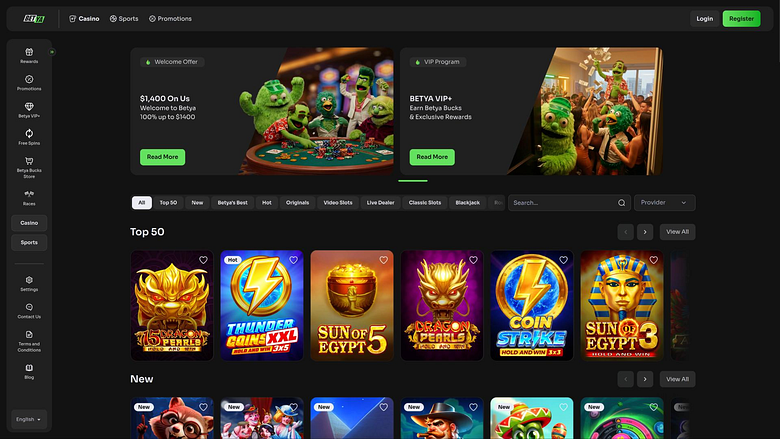
A well-organized gambling account is easier to secure, review and control. For Canadian adults considering Betya, the betya login is only the starting point: useful account management also involves recovery details, identity checks, payment ownership, activity records and personal limits. The practical approach is to treat the account dashboard as a set of controls rather than simply a doorway to casino and sportsbook content. This guide explains which settings deserve attention and how to handle common account issues without assuming that every feature is available in every province or account.
Which account details should you check first?
Begin with the personal information attached to the account. Your name, date of birth, email address, telephone number and selected currency should be accurate and consistent with your identity documents. A mismatch may not matter during ordinary browsing, but it can create delays when an account review or withdrawal verification is required. If your circumstances change, check whether the relevant field can be updated directly or whether support must make the change.
Review the currency and language preferences as well. Canadian-dollar accounts are described as supported, while English and French are listed among the available language options. Currency selection affects how balances and transactions are displayed, but it should not be treated as protection from exchange-rate movements when another currency or digital asset is involved. Only choose a payment currency that matches the instructions shown in the account and cashier.
It is also useful to inspect the account status and recent activity before placing any wager. The available status may be active, under review, locked, restricted, suspended, dormant, closed or self-excluded. Look for notices concerning missing documents, bonus conditions or pending transactions. Keeping your registered email current is particularly important because password recovery uses that address. Avoid sharing credentials, and do not allow another person to fund or operate the account in your name.
How should login recovery and security be managed?
Account access problems should be handled through the normal recovery process rather than repeated guesses. The reported procedure is to use the forgotten-password option on the login screen and enter the registered email address. Check the spelling of the email carefully, including old addresses that may still be stored in a browser. If the reset message does not arrive, inspect spam and promotional folders before requesting several more messages.
Problems involving a forgotten email, a locked profile or an unsuccessful reset may require customer support. The published material identifies live chat and support@betya.com, but response channels and procedures can change. When contacting support, provide enough information to identify the account without sending unnecessary sensitive data. Never email a full card number, password or one-time security code. If identity documents are requested, use the submission route specified inside the account or by verified support.

Security also depends on the devices used to sign in. Use a unique password that is not shared with email, banking or social-media accounts, and avoid saving it on public or shared devices. Sign out after using a borrowed computer. Treat unexpected messages asking for credentials or payment as suspicious, even if they use familiar branding. If you believe someone else accessed the account, stop activity, change the password from a trusted device and contact support promptly.
What happens when an account enters verification?
Know-your-customer checks may occur before a first withdrawal, after a transaction reaches a review threshold or during an ordinary account assessment. The requested material can include government-issued photo identification, proof of address issued within the previous three months and evidence that a payment method belongs to you. The exact list is not guaranteed, so follow the current request shown in the account rather than relying on an old checklist.

Document quality matters. Images should be readable, complete and unedited, with all required edges visible. When a card copy is requested, the stated guidance says that only the first six and last four digits should remain visible. Concealing information incorrectly can lead to a rejected submission, while exposing the full number creates an unnecessary security risk. Do not send documents through an unverified address or an unrelated messaging account.
Verification and payment ownership are connected. Third-party funding is not permitted according to the supplied account information, so the name on a payment method should correspond to the account holder. A temporary lock may result from missing documents, and a pending review can affect access to certain functions. Keep copies of submitted files and note when they were sent. If the request seems unclear, ask support what is missing before uploading repeated versions of the same document.
Which personal limits belong in your account plan?
Account controls are most useful when they are chosen before a session rather than after spending has become uncomfortable. The listed options include daily, weekly or monthly deposit limits, cooling-off periods, temporary time-outs, wager and loss limits, self-assessment tools and account closure. Availability and activation details should be confirmed in the account settings because a limit may apply to deposits, wagers or losses separately.
A deposit limit controls how much can be added during a selected period; it does not necessarily measure total wagering or losses. A loss limit addresses a different question, while a wager limit concerns the amount staked. Read the wording carefully before confirming a setting. If the account offers a cooling-off period or time-out, use it when you want a defined break without making a permanent decision. Do not assume that changing a limit takes effect instantly.
Self-exclusion is a stronger restriction. The supplied information says it can be set for a specified or indefinite period, blocks play during that period and is not reopened immediately. That delay is an important safeguard, not a technical inconvenience. For broader Canadian information about gambling-related support and safer play, consult the Canadian Centre on Substance Use and Addiction’s gambling resources only as a general public-information reference; it does not confirm casino-specific settings or rules.
How can you monitor balances, bonuses and inactivity?
Review the account area before making a new deposit. The available information is described as including transaction records, bonus balances, identity status and VIP reward progress. Separating cash from promotional funds helps prevent confusion about what may be withdrawn. An active bonus can also impose wagering, expiry or withdrawal conditions, so check its individual terms before accepting another offer or requesting a cashout.
Promotional balances are not the same as unrestricted funds. A withdrawal may require an active bonus to be completed or forfeited, and different promotions can have different deadlines and stake conditions. Rather than relying on a remembered offer, record the name, activation date, expiry date and remaining requirement shown in the account. If the figures do not appear to reconcile with your own records, pause further activity and ask support for clarification.
Inactivity deserves attention too. The supplied material describes an inactive-balance restoration process after 180 days without activity. That does not mean an account should be kept active merely to avoid dormancy. If you no longer intend to use it, consider a time-out or closure instead. Keep confirmation emails for limit changes, self-exclusion, closure requests and complaints. Formal complaints are described as being acknowledged within 48 hours, with a target response within ten business days, although individual circumstances can affect timing.
Can limits be changed whenever I want?
Not necessarily. Account controls can have activation delays, minimum periods or separate rules for increasing and reducing a limit. Check the setting’s confirmation message and current terms. If the change does not appear, do not assume it is active; contact support and keep a record of the request.
What should I do if my account is locked?
Stop attempting repeated logins and check whether the account identifies missing documents or a review. Use the official recovery route or contact the listed support channel. Do not create another account, submit someone else’s documents or send full payment details while trying to resolve the lock.
Does closing an account remove transaction records?
Closure may restrict access, but it should not be treated as instant deletion of every record. Before requesting closure, save relevant confirmations and resolve pending questions about balances, verification or complaints. Ask support how records and any remaining funds will be handled under the applicable account terms.
Related posts